

Understanding Nihilism

Nihilism, at its very core, embodies the belief that life lacks inherent value, meaning, or purpose.
This philosophical outlook renders all ideas such as the aforementioned values, meaning, and “purpose” as the the consequence of human creation and to be interpreted only as such.
While not quite pessimistic, I find there is a twinge of negative association behind nihilism when discourse surrounding it is brought up.
One arena I could understand the negative disposition around nihilism is that it could viewed as the *obligation* of individuals to then create values, meaning or purpose.
This means there is labor involved in living and the unrelenting work that must be done while living could be seen as a burden.
Quite the change of pace from optimistically finding or forging your own meaning in life, isn’t it?
I think so, especially since Nihilism innately challenges the foundation of many traditional beliefs.
It’s often suggesting that established moral and societal structures are unfounded or baselessly asserted.
For historical context, Nihilism and nihilistic sentiment vastly emerged as a reaction to the rapid changes in society, around the time where there was the decline of religious authority and the rise of scientific rationalism in the late 19th century.
This is a time where there was scant conversation of such ideals in any notably popular areas that were taken seriously.
Nihilism has been HEAVILY Influenced by thinkers such as Friedrich Nietzsche Emil Cioran, And Soren Kierkegaard.

Through their works and many other prominent writers and philosophers we see a monumental rise in it’s popularity.
Nihilistic philosophy gained notoriety for its frank confrontation of existential questions and it’s demand of all listeners or even just curious individuals to confront a reality devoid of prescribed meanings.
This shift in conversation allowed the dialogue, however unpleasant it may be, to at least linger as a seed of thought in the mind of anyone who explore further.
The evolution of nihilism can be traced through various philosophical and literary movements.
One could easily argue that it actually enhanced the quality of debates for all adjacent topics of discussion surrounding nihilism, pessimism, and even optimistic living.
It does this by directly challenging metaphysical beliefs that attribute a definitive purpose to existence.
For instance, many philosophies posit a guiding principle or ultimate truth, but nihilism refutes these notions, presenting a fragmented worldview where individuals must navigate life without the assurance of inherent meaning.
This *radical* perspective has led to various interpretations:
Perhaps there is an absolute necessity to embrace the absurdity of life and live despite this.
Maybe for one to undergo self-definition and enjoy a world on your own terms.
What if one learns towards a more harrowingly pessimistic outlook of the world by feeling the demands of extrapolating the reason or purpose of *everything*? .
Despite its void like premise, nihilism has drummed up QUITE a bit of cultural appeal.
Whether it’s the basis for moving literary works, a concept for beautiful artistic expressions, or encouraging psychological exploration.
It is a philosophical ideology encourages a deeper level of contemplation regarding human existence, identity, and the nature of reality.
The complexity of nihilism lies not just in its rejection of established norms but also in its insistence on personal responsibility in all regards of it’s acceptance.
As individuals grapple with nihilistic tenets, they are confronted with the important task of constructing their own meanings amidst a void.
This makes nihilism an arduous, but simultaneously compelling subject for both philosophical discourse and anyone interested in the world of art to unravel.
Core Beliefs of Nihilism
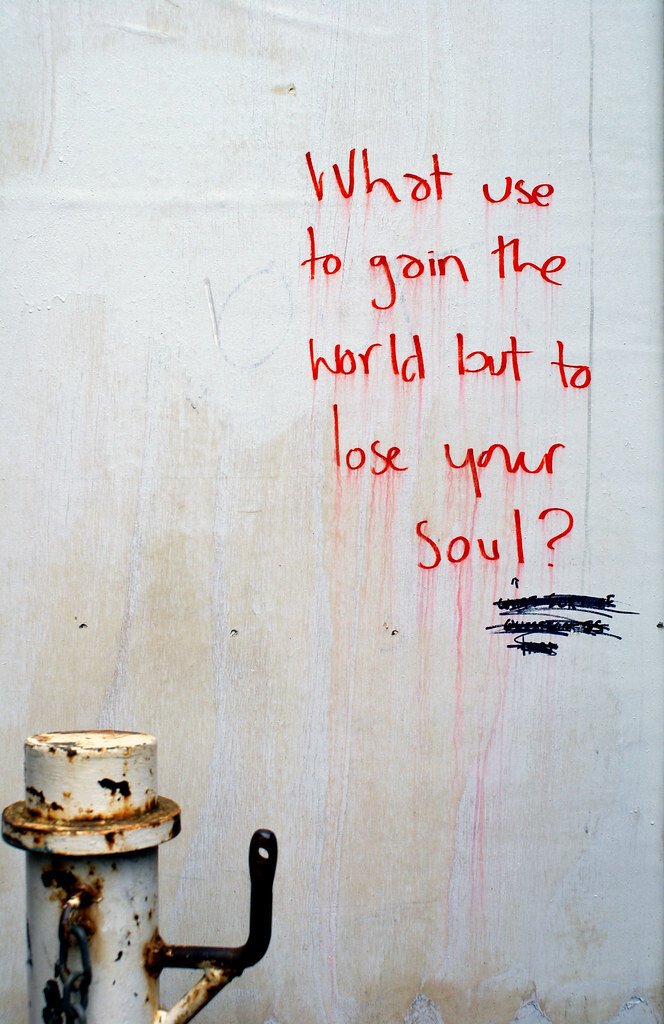
As alluded to before, Nihilism is often characterized by a general skepticism toward objective meanings, values, and truths.
With that in mind, I think we should examine it a bit closer and view some arena’s of nihlistic thought.
Among its heavily diverse branches are main tenants like existential nihilism, moral nihilism, and metaphysical nihilism. These all stand out as core beliefs that elucidate distinctions within nihilistic philosophy.
I’ll quickly break these down to maybe shed some light into the void.
Existential nihilism posits that life lacks inherent meaning or purpose. This perspective, when followed through suggests that individual existence is ultimately insignificant in the grand scheme of our universe.
Some people might take the position that a nihilist is an extreme skeptic, which is a fairly easy rationale to understand.
Existential nihilists argue that not only is life devoid of objective meaning, but individuals must confront this realization to create their subjective meaning. Prominent philosophers such as David Hume, Schopenhauer, and Kierkegaard became early adopters in forming a basis of the philosophy and allowing extrapolation to continue. Later we see that Jean-Paul Sartre and Albert Camus examine it deeply and have grappled with these existential questions, often concluding that embracing the absurdity of existence can lead to personal freedom and authentic living in their work.
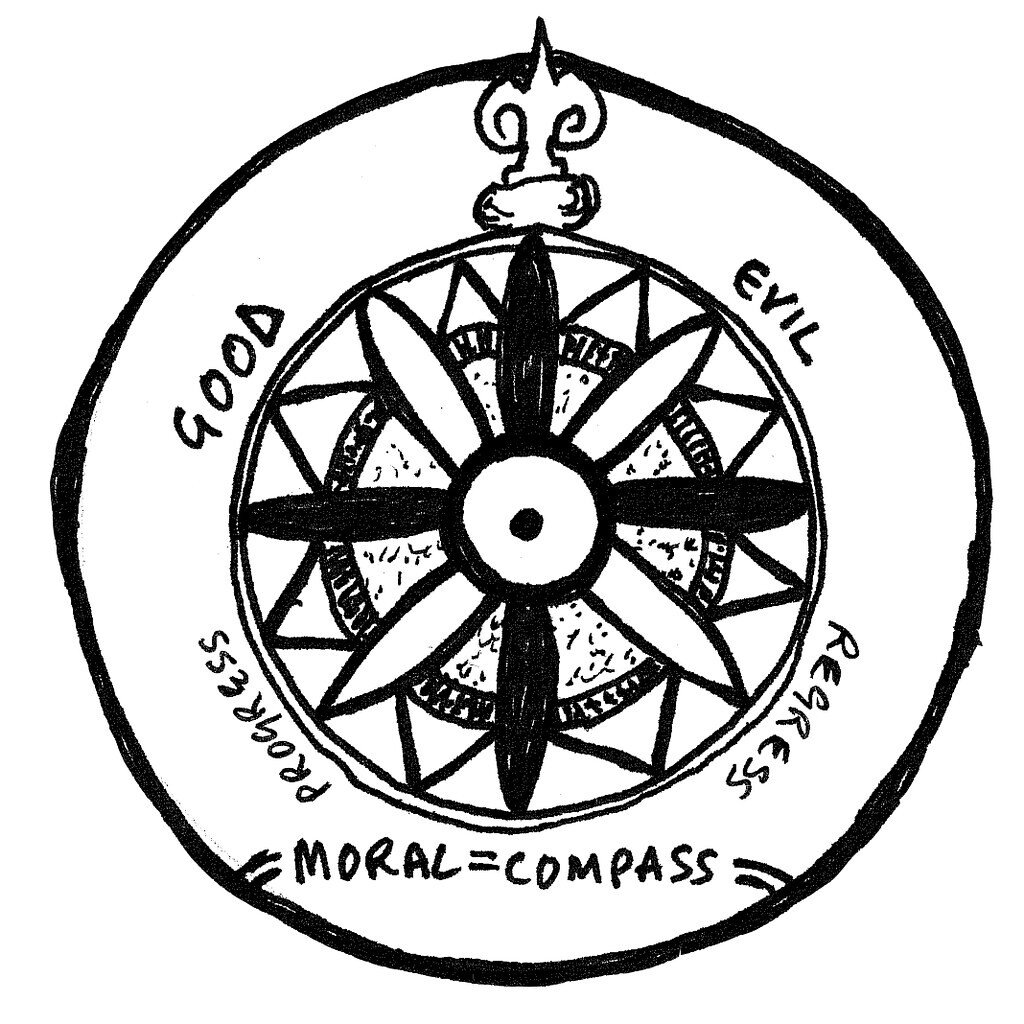
Moral nihilism, on the other side, challenges the existence of objective moral values.
According to this viewpoint, statements about morality are devoid of truth.
to make this easier to understand:
“Ethical assertions” or that claims made lack universal validity.
Moral nihilists will mostly argue that morality is a construct influenced by cultural, historical, and personal factors.
This concept can lead to profound discussions in ethical theory, as it prompts questions about the foundations of morality and justice.
For instance, if no absolute moral truths exist, one might ask why certain actions, such as murder or theft, are deemed reprehensible in most societies.
This is commonly seen when delving into conversations about the death penalty, abortion, veganism and other topics that require a conversation surrounding the “morality” of life and decisions that influence it.
Lastly, I want to mention brefly mention “Metaphysical Nihilism“.
Metaphysical Nihilism examines the nature of… just existence itself I suppose, by suggesting that the world might not even exist in an absolute, objective sense.
Now, this form of nihilism is largely uncommon, but i think it raises some intense philosophical inquiries about reality and the nature of being.
Proponents of it argue that even concepts of existence can be scrutinized to the point of deeper questioning, leading to a perception of a fragmented or illusory reality.
(Most commonly, you’ll see the idea of “no concrete objects” pop-up a lot)
It’s an incredibly interesting framework and if you would like more information surrounding the concept of Metaphysical Nihilism I would strongly encourage you to check out
“Much Ado About Nothing: A Study of Metaphysical Nihilism”
where the author of this article outlines and heavily critiques the concept in exceptional detail.
The idea of perpetual subtraction until then exists raises questions with the same feeling that harkens back to “The Ship of Theseus” for me. ( I love the concept of identity, you can expect a post on The Ship of Theseus to be available at this link)
Famous Nihilist Philosophers
I would be absolutely remiss to not update this post with my the list of “nihilist philosophers” that google seems to push, check it out here if you want to read more into them.
Nietzsche

Friedrich Nietzsche is arguably the most prominent amongst the philosophers that have works including nihilism. Though he isn’t the first, or the one with the most literature regarding nihilism, he is the most popular of philosophers in the mainstream that heavily drew on the topic.
Most notably in Nietzsche’s stardom as a nihilist is a one brief line that we see being referenced today:
“God is dead”
Now, this isn’t the full text, but one that is HIGHLY abridged and that succinctly concludes a profound shift in understanding meaning, existence, and morality.
The full quote is much more nuanced and riddled with meaning.
There is also a shorter version I’ve seen shared that also bridges more introspection as well:
“God is dead. God remains dead. And we have killed him! How shall we comfort ourselves, the murderers of all murderers.”
To get the full picture, you’ll have to google around or get yourself a copy of “The Gay Science” by Nietzsche (which I’ve linked to below *As always affiliate disclaimer applies*)

Asides from the above quotation still being culturally relevant to this day, his other works helped usher in waves of skepticism.
A lot of what he wrote challenged traditional values upheld by religion at the time. This meant that in the absence of these norms, people must create their own values.
Though not all of his works are nihilistic, he had a lot of views that were highly embodied with the philosophy.
As you further read down the pipeline into his more “obscure works” you’ll find nihilism, hope, skepticism and hopefully reach some deeper introspection of your soul.
Cioran
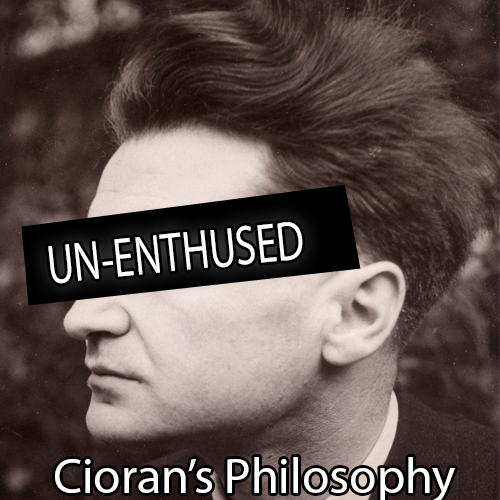
Another significant figure I like to add into this conversation is Emil Cioran.
(See the post i’ve written about him by clicking on the photo above or the text)
His writings burrow DEEP into the despair and futility of life, mostly expressing how the absence of objective meaning can lead to a sense of lostness and resignation to the end (always the end) *queue up the sad music playlists*.
Cioran’s perspective reflects his belief that awareness of the absurdity of existence might liberate individuals, albeit through a lens of melancholic acceptance.
He articulates how confronting the nihilistic void can illuminate a striking existential truth, prompting you to engage “with anguish” as a pathway for genuine self-reflection.
Personally I resonated STRONGLY with his sentiments during DOUR moments (or… rather months) in my life and I feel like for people on this post, the feeling of not being alone in your thoughts might be comforting.
Alongside of Cioran and Nietzsche I like to bring up Jean-Paul Sartre.
Sartre
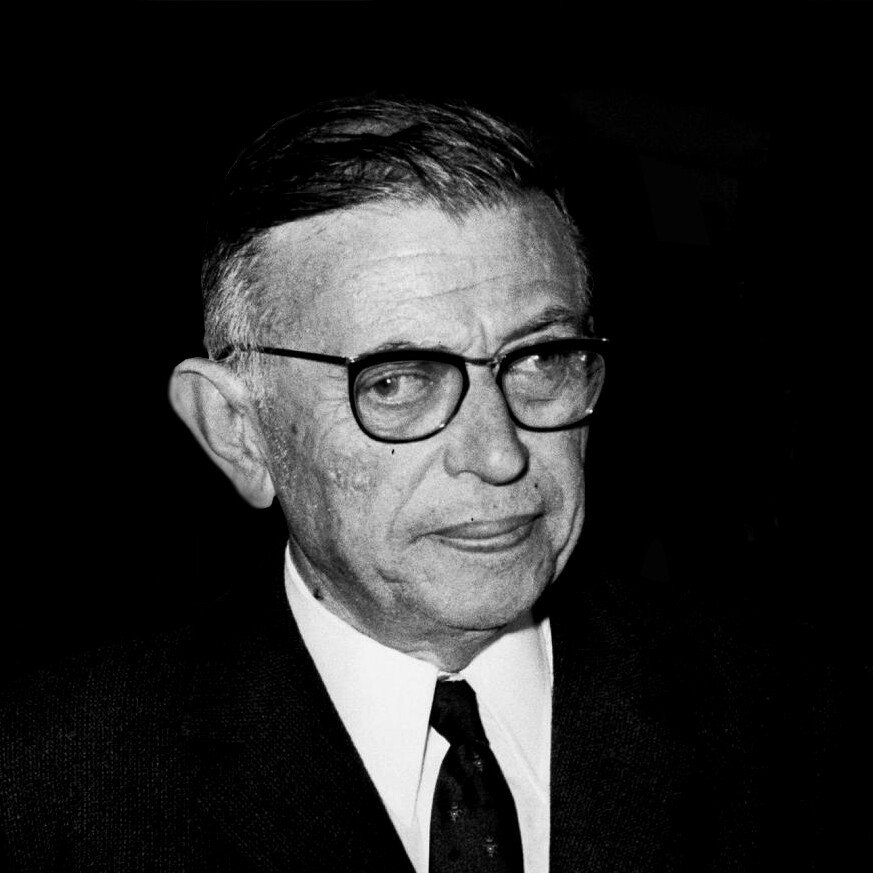
I would like to say that although he is primarily associated with existentialism, Sartre also navigated through nihilistic waters in a good bit of his literary writings and interviews.
I talked about this in understanding the differences between absurdism vs existentialism, but his assertion that “existence precedes essence” deepens the idea that individuals are not born with predetermined meaning; rather, they forge their own identity through choices and actions.
Sartre’s philosophy emphasizes personal responsibility in wake of us living in what is seemly an indifferent universe. It recognes the absence of preordained purpose, meaning anyone can take charge of their own existence and be the master of their own fate.
Ontop of this, his book “being and nothingness” can really reach core tenants of Nihilism, but also subvert into more existentialism. I think that people who are researching into Nihilism should also venture into absurdism and existentialism. They both seem like logical extensions of Nihilist thought.
Only reading the “Classic” Nihilists like Kierkegaard, Cioran, and Heidegger seems a bit thin to me.
Sure, those guys are *more* deserving of examination to learn about *pure* nihilism, or it’s fundamental roots, but each of the above are important too.
The shaping of your philosophical lens can be further developed by having references like Nietzsche, Cioran, and Sartre, since their efforts have also significantly influenced nihilistic philosophy.
I would say that by either directly or indirectly using their perspective to further shape human understanding of ethics, meaning, and existence their voices deserve a chance to be heard.
Their diverse angles offer a strong foundation for examining the complexities inherent in human life under a nihilistic framework by then forwarding your thoughts into someone like Kierkegaard.
Major Works on Nihilism

One of the most significant writings that I’ve read and tactfully explores nihilistic idea and contrasts it with a “supposed” remedy is Friedrich Nietzsche’s “The Antichrist.”
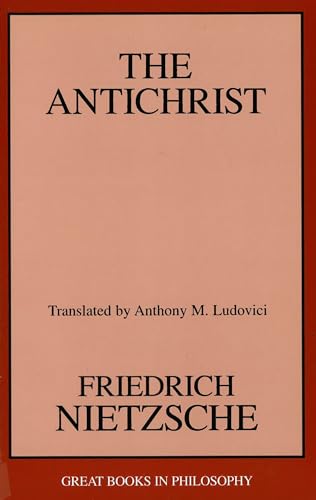
In “The Antichrist” Nietzsche comes for the throat at the pillars of Christianity and the values it espouses.
With MANY words, he states, clearly and plainly that traditional moral frameworks suppress human potential and vitality.
By emphasizing the absence of inherent meaning in life and the “weakness” that pity brings people, Nietzsche’s nihilistic philosophy shines.
As he talks freely and briefly about Kant, Descartes, and others that attempt to resolve points made by religion, it’s ultimately decided that there must be a value we create ourselves and to harbor and uphold only the strong in regards to progressing humanity.
It’s incredibly short considering the content but its bridges into Buddhism, Judaism, Christianity and life succinctly and poignantly.
Another Masterful bout of writing is Emil Cioran’s “On the Heights of Despair”.
It reads exactly as the title is written: Cioran reflects on the pervasive sense of hopelessness and the burden of existence in very very …uh…many words.
The whole book encapsulates the essence of nihilism by confronting themes of despair, futility, and the “human condition”.
Cioran’s candid exploration of his personal crisis serves as a window into the nihilistic perspective, portraying life as devoid of ultimate purpose and filled with inevitable suffering.
This is by far one of the most dreadful pieces I’ve gone through by Cioran, but also one of the rawest.
Beyond these texts, there are numerous other works that delve into nihilism, such as Leo Tolstoy’s The Death of Ivan Ilyich, which addresses mortality and the superficiality of general societal norms.
Albert Camus’s The Stranger is a phenomenal book that highlights the absurdity of life and the alienation inherent in the human experience while grappling with a crisis and also in candid life.
All of these books have significantly influenced perceptions of nihilism, bringing philosophy at every angle into mainstream culture.
Overall, all of these books provide valuable insights into confronting human existential dilemmas and deeper understanding of nihilism.
While I finish up the books, lets talk about my *other* favorite form of media: Cinema!
Nihilism in Popular Film
Nihilism has permeated various aspects of popular culture, not just books, memes, or toilet stalls around the world, but also in film.
Notable cinematic examples that don’t reach a totally *sickening* depiction of Nihilism would be films such as David Fincher’s Classic “‘F**** ****,” (1999)

(Rules 1&2 sorry yall)
As well as Lars Von Trier’s film “Dancer in the Dark.” (2000)
Both films reflect harsh nihilistic themes, capturing the existential dilemmas faced by the stories protagonist (albeit in entirely different ways.)
Whether it’s abhorring a normal life and getting fed up with consumerism and questioning your place in the world, or it’s isolation, tragedy and no real sight of freedom in mind… these films do a great job of incorporating themes of nihilism and expand on how the story follows the way people create a sense of purpose and meaning.
I would love to make a longer list, but unfortunately this post has already dragged on for QUITE some time and i’m one who often gives spoilers unintentionally.
Lastly, Dancer in the dark is outstanding, it’s also one of the very rare instances you’ll see Björk in behind the lens of anything other than an interview or music video!
Nihilism in Literature

Nihilism, as a sort of *philosophical doctrine* to be found tucked away in library shelves, often finds its expression in works where authors grapple with the profound questions.
Nihilism is often evoked when the subject matter is regarding meaning, existence, and the vicissitudes of our profoundly unique, yet simultaneously.. generic experience(s).
People like Franz Kafka and Samuel Beckett have created stories that delve deep into the nihilistic philosophy, most of which posit questions heavily examining beliefs about purpose and our *real* significance.
Their works reflect the inherent absurdity that often characterizes our lives and briefly allows us as someone who’s found a way to read their words this many years later to confront unsettling truths about reality.
Starting off, I’d like to highlight a bit more about both of these authors as I see them pop-up briefly and get the spotlight swiftly ontop of other names in this conversation and that feels like a real shame to me.
Let’s start with Kafka.
In a good majority of his books, he embodies the essence of nihilistic principles in MANY of his narratives.
Books like “The Metamorphosis” and “The Trial” illustrate the bewildering struggles of individuals faced with incomprehensible forces.
Kafka’s protagonists often experience a profound sense of alienation and helplessness, which reflects the nihilistic belief that human desires and aspirations are ultimately futile. The absurd situations they navigate position them in a weird sort of existential limbo.
In all of these scenarios traditional values, morality, and societal structure dissolve, leaving them to sit and question or monologue about the reality of their existence.
Similarly to Kafka, albeit with much more colourful descriptive narration, Samuel Beckett’s writings are outstanding.
In particular “Waiting for Godot,” serve as a *quintessential* exploration of nihilism.
The play features characters who engage in endless waiting, which on the surface feels…. really dumb. but it’s meant to be extrapolated as a metaphor for life!!! and the search for meaning!!!!! in an indifferent universe!!! and that we really have to find the purpose!!!!!
(The exclamation marks are to highlight the feelings of being a little on the nose with symbolism)
Through minimalist dialogue and these repetitive actions, Beckett REALLY highlights the absurdity of life, where the pursuit of purpose appears hopelessly inconclusive.
The cyclical nature of their dialogue emphasizes the nihilistic theme that existence lacks inherent meaning, and as a result leads people to questioning the very fabric and essence of human intention and ambition.
The literary portrayal of nihilism by authors like Kafka and Beckett makes us think of the story we are absorbing to reflect on WHY it is like that, and what the purpose as.
I feel as if that compels us to examine our own beliefs about existence (like why am I reading these books in the first place and why is this so long or how many pages does this drag on?).
By confronting the absurd and the meaningless, the both of them have allowed us to reflect on the central tenets of nihilistic philosophy.
Cultural Impact of Nihilism
We’ve talked about Movies, books, philosophy… but what about *real life*
Very glad to bring this up, because it’s fairly present… in the DARK SIDE of the world!!
(ooooOOOOoo wooooo SpOOooOOOOky! haha.)
The impact of nihilistic philosophy extends beyond the traditional mediums of artistic expression.
In music, genres like EARLY punk and beginning stages of *grunge* really epitomize nihilistic sentiments, with lyrics often addressing feelings of despair and revolt against societal conventions.
It really fosters a sense of solidarity among people experiencing similar existential crises, allowing nihilism to permeate popular culture through the jaded edges of it’s listeners. In recent years, political movements have occasionally drawn upon nihilistic rhetoric, questioning established authority and challenging conventional ideologies. It’s very easy to do and it often evokes a STRONG response from others.
When someone aims to embody a rebellious spirit that seeks to dismantle oppressive structures, they are aligning with the core of nihilistic thought, which expresses skepticism towards the status quo and rejects its premise.
Also, look at THIS BLOG. The internet has facilitated the dissemination of nihilistic ideas, creating online spaces for discourse around existentialism/absurdism/pessimism/the void.
The internet also bands together people from an ever changing algorithm.
People who like discourse around Nihilism, engage with that content, which then further shows MORE of that content with the person then recommends MORE pages of similar interest.
Then we see a large swath of online websites filled with people discussing nihilism, which underlines a collective grappling with meaning in a hyper-connected yet somehow also alienating world.
As these cultural manifestations illustrate, nihilism continues to shape societal perspectives, pushing individuals to confront their beliefs and the constraints imposed by tradition. In conclusion, the cultural impact of nihilism is profound, fostering both artistic innovation and sociopolitical discourse that reflects modern existential dilemmas that seemingly will always have anti-conformity to test its merits.
Critiques of Nihilism
Nihilism, often misconstrued as a mere rejection of meaning and value, has faced substantial critiques from various philosophers and thinkers throughout history.
Central to these criticisms is the assertion that nihilistic philosophy can lead to a pessimistic worldview, where life appears devoid of inherent purpose or value. Friedrich Nietzsche, while often associated with nihilism, critiqued its implications, warning that an unconsidered embrace of nihilism could result in despair and stagnation. He believed that the absence of objective meaning could lead individuals to nihilistic extremes, ultimately impeding personal growth and societal progress.
Opponents of nihilism argue that it can foster moral relativism, where all ethical standards are seen as equally valid, undermining the foundation of moral responsibility.
Philosophers such as Jean-Paul Sartre and Albert Camus contributed to these discussions, positing that while the universe may lack inherent meaning, this very realization invites individuals to create personal meaning and purpose. However; they assert that confronting the absurdity of existence can lead to a more authentic life, as opposed to succumbing to nihilistic despair or encouraging atrocities.
Critics also highlight the dangers of nihilistic ideals in societal contexts, where such beliefs can justify apathy or disengagement from societal issues. The potential for nihilism to encourage a lack of motivation or accountability is seen as a fundamental threat to social cohesion and ethical behavior. As different initiatives strive for betterment and progress, the rejection of any overarching purpose can deter collaborative efforts to address shared human challenges. Thus, while nihilism proposes a radical questioning of meaning, its implications pose significant challenges that require thoughtful consideration and navigation of philosophy’s broader landscape.
Conclusion: The state of Nihilism Today

Nihilism remains a significant philosophical perspective that persists throughout the ages due to its core message. One that resonates not just online or in the bubble of academic thought, but within everyone ranging from “Mr Billion Dollar Billy”, The average Joe and even the guy on the side of the street.
These individuals can feel disenfranchised and look for any form of escapism and reject most generally accepted positions of moral frameworks or perspectives.
Typically those who grapple with feelings of alienation and despair are the people who make the principles of nihilism relevant.
The pervasive uncertainties surrounding identity, purpose, and morality provoke individuals to question established norms and frameworks.
This questioning reflects a broader existential crisis and often goes unresolved for them, leading to further downward spirals and angst.
The traditional narratives that are espoused will typically fail to provide satisfactory answers or solace to the current line of questioning that individuals have for explaining away a normal life.
Nihilistic thought can provide a lens through which to explore these dilemmas, affirming that the absence of inherent meaning does not negate the capacity for individuals to create their own purpose.
It’s assertion that life lacks inherent meaning often serves as a catalyst for deeper searching of value or reason.
This is beautiful because it often means that individuals get the opportunity to confront the absences of predefined values and beliefs and inwardly reflect on what THEY value or deem appropriate or can reason the purpose of existence is.
Whether it’s present in a philosophical outlook, a great body of literature, a riveting film, or just poised to us through art, Nihilism exemplifies its ability to capture the zeitgeist of our society so strongly and without much other than the simple act of stripping everything bare.